
Normalising normal bodies
on being naked with other women, and what celebrities' shrinking bodies mean to us


Yesterday I met up with a group of women – all strangers to me – and we walked along a coastal trail to the beach. There we took off all our clothes and went for a swim together.
The nude group swim was something I thought of doing during the summer, after I discovered the joys of naked bathing for myself. I’m not particularly into hanging out naked in other places, (though I’m quite comfortable with it; I just tend to like being clothed most of the time), but there is something about being in the sea with nothing between your skin and the water that feels utterly delicious and free. Something about the idea of a large group of naked women charging into the sea together appealed to me. It felt like some kind of feminine ritual we should be doing more of (if only to mildly scare the men on the beach). So I put it out to my Instagram followers to see if anyone else was keen, and the rest is history. We were not a large group. But we did have a lovely time together.
The experience was joyful. At least for me; I hope for my fellow swimmers too.
While in the water we chatted about all sorts of things: misogyny, and the new Netflix Louis Theroux documentary on the manosphere (deeply depressing); the differences in how nudity is regarded in Europe compared to New Zealand, and how nice it would be to have the European sauna culture here.
We also discussed how good it is for women to be around other women’s normal, naked bodies. The women in our group all had different bodies; we are different ages, different sizes; different shapes. We are all happily living in those bodies, going about our days, contributing to the world. All beautiful. As I often say, the size and shape of my body is the least interesting thing about me. It is true for all of us.
Being exposed to a range of body shapes and sizes helps normalise this simple fact: most of us are nothing like the images we are exposed to in social media and popular culture. And we never will be. And, increasingly, we don’t want to be.
I have been feeling this in the past few weeks as I have consumed a lot of content on the shrinking of bodies in Hollywood. Photos and video of stars have been popping up regularly, with a lot of commentary about how these women (for they are always women) appear to be emaciated, even showing signs of malnutrition, and that we are being ushered into another era of super-skinny body ideals by the advance of GLP-1 medications, which are now apparently being used by privileged people who are already very small to become even smaller.
I think this may well be true. I have no insight into the world of Hollywood – I could hardly be further away – but I can imagine that most female movie stars have probably lived with at least disordered eating and some form of body dysmorphia for most of their lives, at least while they are in the public eye. That is the environment they are in, and in that unhealthy environment it would probably seem quite reasonable to take any available option that allowed one to become or stay as thin as possible.
I am uncomfortable with people commenting (as always happens) that the celebrities look terrible, or comparing them to their former, younger selves when they looked, in the eyes of the commenter, better. But I am also uncomfortable with another thing that always happens in the comments on these posts: someone will say ‘stop tearing down other women! We should not comment on women’s bodies!’ which effectively shuts down any further discussion.
While I agree with the latter sentiment – it’s almost never helpful or necessary to make comments about any person’s body – I do think two thoughts can co-exist. It is worth noting that this very thin look, as an aesthetic goal, is not something we should be idealizing or encouraging women to aspire to. Especially young women. (We see this narrative, still, in the media; stars are ‘effortlessly elegant’ or ‘stunning’ while appearing bone-thin). And the rise of the ‘skinny tok’ influencers is a deeply troubling sign that that might be underway. There is a subtle but insidious thing that happens when all the images we see are of small bodies: we start to think that is a normal or even ideal body. This has been happening since long before social media came along.
There’s also a larger point here, being made by people cleverer than me, that this is not happening in a vacuum; it’s no surprise that the rise of pro-thinness is connected with oppressive systems. Keeping women small and weak benefits… who, do you think?
So in my opinion, it is worth having a nuanced and considered conversation on what it means that Demi Moore, for example, is looking frail and thin in a way that distresses those of us who remember her GI Jane-era one-armed pushups.
There might be all kinds of personal or health reasons why Demi looks like she does now, and none of us is in a position to judge her for that. I hope she is OK, sincerely. But I think it is OK to also share our reactions to how the appearance of public figures like her - who are symbols, really - makes us feel.
I was chatting to my sister last night about body image, and how my own eye; my sense of what is pleasing to me in a body, has completely changed in recent years. I grew up as a teenager in the 80s and a young woman in the 90s when an ‘ideal’ female arm was thin and stick-like and we had no concept that some muscle on an arm might be a good thing, not only to look at but for its function. That idea stuck with me for decades. Now though, the bodies I like to see are strong ones. I catch myself admiring a strong quad on a woman in the street; I aspire to feeling that in my own legs. I love seeing women hefting big weights in the gym using visibly developed shoulders and arms. Now, when I see a celebrity in a very thin body, I just feel sad. When I see it in older women, I feel worried for them. Being small and frail is not our friend any time, but especially when we are older. It is potentially dangerous.
So, if you too are keen to re-train your eye and by extension your body image, I encourage you to do two things: First, see if you can find a way to regularly be naked with a group of other women, ideally of all ages and stages.
And second, if that’s a bit hard: cleanse your feed, or more accurately, flood your feed with accounts that help you re-calibrate your eye and body image. Here are some suggestions below of people whose posts I have enjoyed. (I’d love to see more midlife and older women here, to be honest. There are lots of midlife influencers I like, but most of them do have smaller bodies. I think there’s a gap yet to be filled for more diversity in older bodies online… if you have any to recommend, please clue me in).
Let me know how you go.
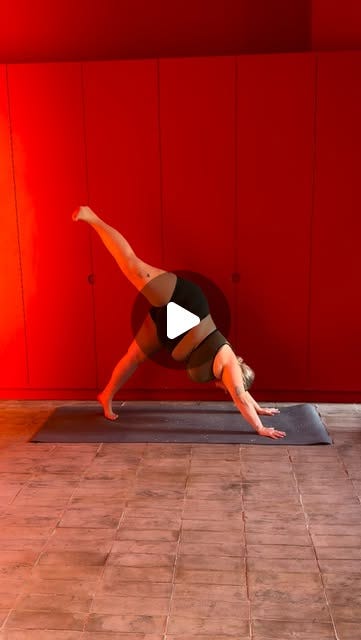
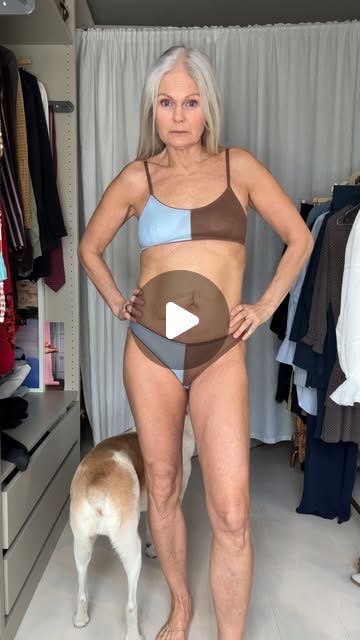
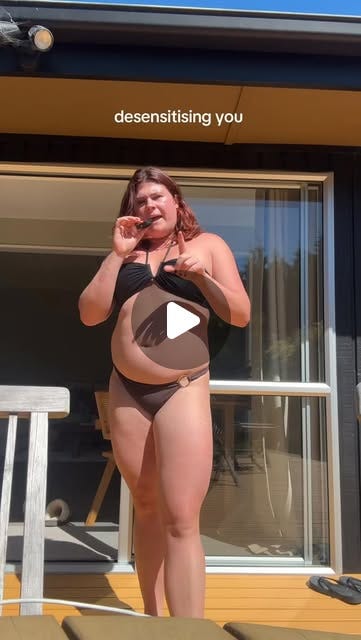
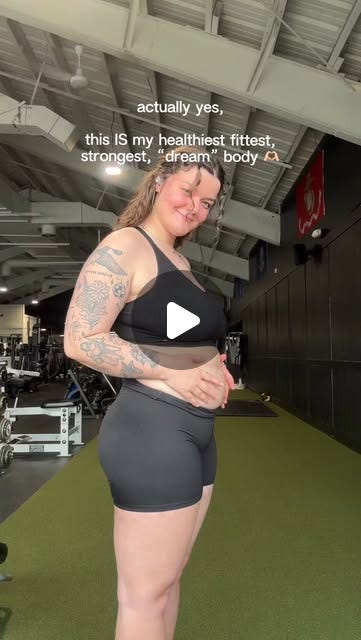
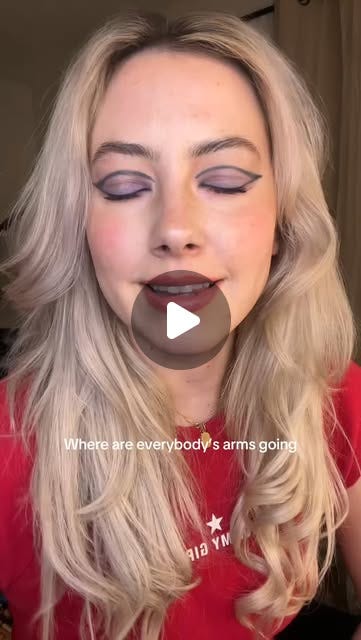
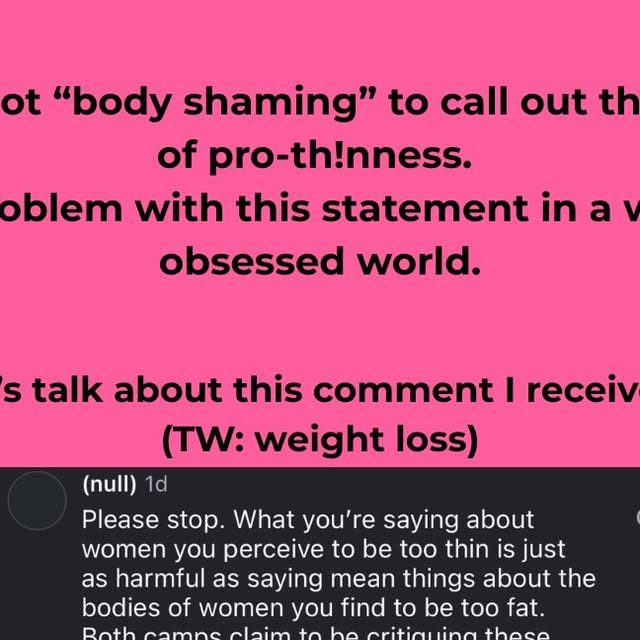
Good morning from Canada, this was a great read. Also, i have been inundated with skinnytok and skinny insta videos so I used every single video in your post (and loved all of them FYI) to try and clean my algorithm up. I liked the raw honesty of this post and all of the videos too. The arm one in particular hit me because just recently, I have been looking in the mirror at my arms with a lot of "why are you so big" thoughts forgetting that a) i am not a walking photoshop filter and b) normal humans have arms that are larger or smaller.
Thanks again
Thank you for this nuanced piece, Nikki. I spent two decades with anorexia and then disordered eating and it’s incredibly important that we discuss this. In midlife I’ve more or less accepted my body and will not starve it, but I worry for my girls and their peers that between Hollywood and social media, skinny and “perfect” is all they see.
I follow @danaemercer on Instagram and find her posts inspiring. She’s thin but goes through the tricks influencers use to make themselves look the way they do. And Sonya Renee Taylor’s work on body acceptance is also beautiful. And thank you for the other disruptor suggestions!